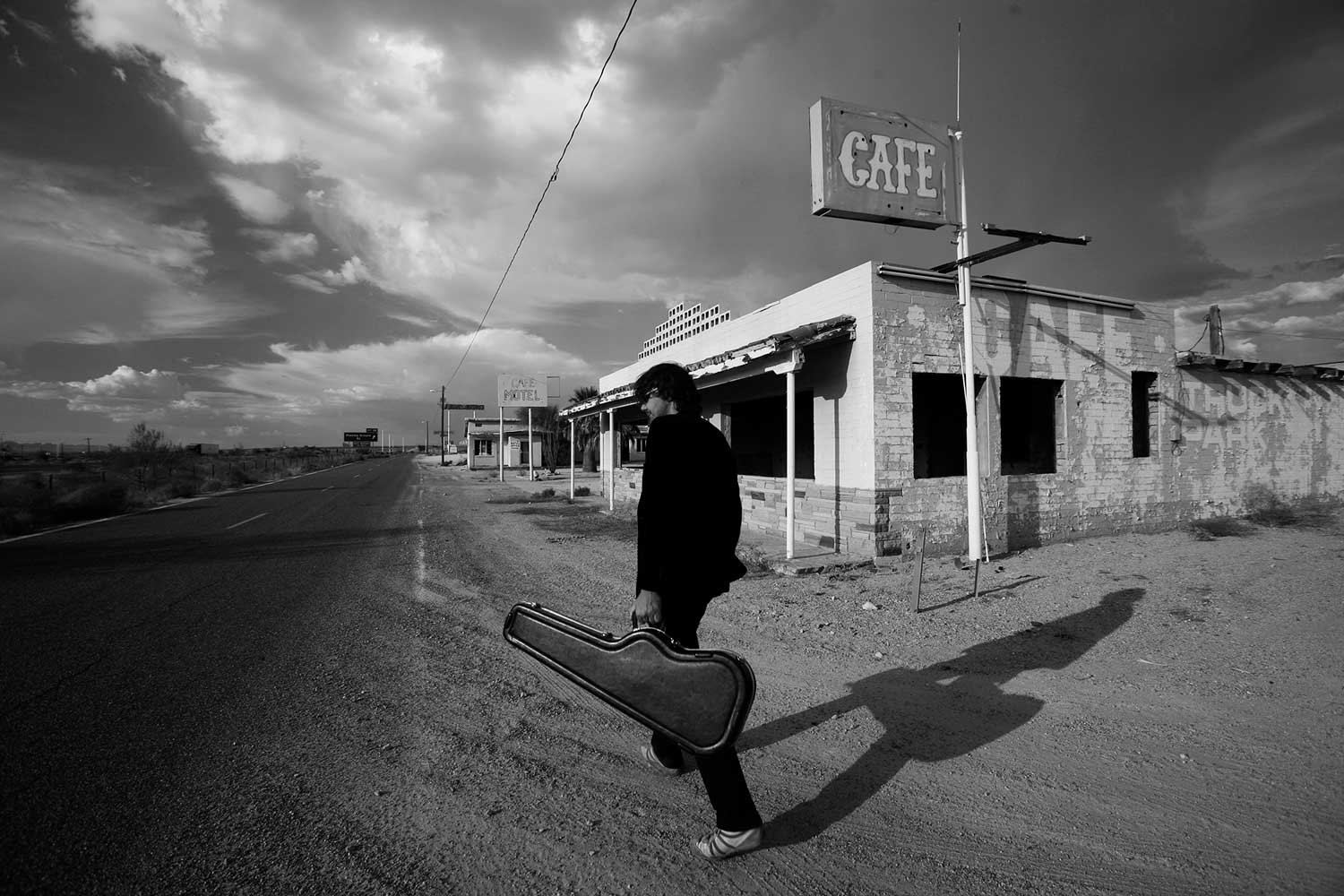
The Eternal Influence: How Edgar Allan Poe’s Dark Romanticism Shapes Poe Noir Rock
Edgar Allan Poe’s influence extends far beyond literature. His work established an emotional atmosphere that continues shaping Gothic music, noir cinema, psychological horror, and dark artistic expression nearly two centuries later. Poe did not simply write stories and poems. He created an aesthetic language built from melancholy, obsession, emotional tension, death, beauty, and psychological instability.
That emotional architecture remains central to the identity of Poe Noir Rock. The connection does not emerge through surface references alone, but through a shared artistic philosophy where atmosphere becomes as important as narrative itself. Poe understood that darkness gains power gradually through rhythm, silence, anticipation, and emotional immersion. Our approach to music follows that same principle.

Rather than treating songs as simple structures of verses and choruses, Poe Noir Rock approaches composition as psychological atmosphere where sound, silence, tension, and visual imagery function together emotionally.
Understanding Poe’s influence therefore requires examining how his Dark Romanticism reshaped the emotional possibilities of art itself.
Poe and the Emotional Architecture of Darkness
One of Poe’s greatest artistic innovations involved treating atmosphere as structural foundation rather than decorative background.
In poems such as The Raven and stories such as The Fall of the House of Usher, emotional tension accumulates slowly through repetition, rhythm, sound, imagery, and psychological immersion.
Poe understood that fear and melancholy become more powerful when they unfold gradually inside consciousness. Horror therefore emerges not from sudden shock alone, but from the unbearable awareness of emotional decay approaching inevitably.
This philosophy strongly shapes Poe Noir Rock. Songs are constructed to feel cinematic and immersive rather than immediate and disposable. Basslines pulse like anxious heartbeats. Guitars function atmospherically, creating space, fog, and emotional distance. Silence itself becomes part of the composition.
The goal is not simply to perform music inspired by Gothic aesthetics, but to recreate the emotional immersion Poe achieved through language.
Dark Romanticism and Psychological Conflict
Poe’s work belongs to the tradition of Dark Romanticism, which rejected overly optimistic visions of human nature by emphasizing guilt, obsession, alienation, irrationality, emotional contradiction, and psychological instability.
Characters throughout Poe’s fiction frequently struggle against their own consciousness. In The Tell-Tale Heart, the narrator attempts to prove sanity while simultaneously exposing psychological collapse through compulsive confession and paranoia.
Poe writes:
“It grew louder — louder — louder!”
The horror emerges internally because guilt transforms perception itself into emotional torture.
Poe Noir Rock approaches emotional darkness similarly. Songs frequently explore fractured identity, memory, alienation, emotional obsession, existential anxiety, and the hidden psychological tensions modern life often suppresses beneath surface normality.
Darkness therefore becomes emotional exploration rather than theatrical costume.
The Cinematic Language of Poe
Poe’s writing often feels remarkably cinematic because he constructs scenes visually through shadow, contrast, rhythm, claustrophobic interiors, candlelight, storms, ruins, and psychological atmosphere.
When readers enter The Fall of the House of Usher, they encounter not merely a narrative setting, but an emotionally oppressive visual environment reflecting the psychological instability of the characters themselves.
This visual sensibility later influenced noir cinema, German Expressionism, Gothic horror films, and modern psychological thrillers.
Poe Noir Rock inherits that same cinematic approach by treating music, imagery, lighting, visual storytelling, and atmosphere as interconnected emotional experiences rather than separate artistic elements.
The noir aesthetic therefore becomes a modern visual continuation of Poe’s Dark Romantic imagination.
Melancholy, Beauty, and the Gothic Atmosphere
Poe repeatedly argued that melancholy represented one of art’s deepest emotional tones because sadness intensifies beauty through fragility, memory, and mortality.
In The Philosophy of Composition, Poe famously described the death of a beautiful woman as “the most poetical topic in the world,” revealing his belief that beauty and grief remain psychologically intertwined.
This emotional tension remains central to Gothic music and noir aesthetics. Beauty becomes more haunting when surrounded by decay, longing, loneliness, and emotional impermanence.
Poe Noir Rock draws directly from this emotional philosophy through atmospheric melodies, melancholic textures, cinematic imagery, and lyrical exploration of memory, loss, desire, and existential uncertainty.
The music therefore seeks not merely darkness, but emotional depth created through contrast between tenderness and despair.
Why Poe’s Influence Still Feels Modern
Poe’s work continues resonating because the psychological tensions he explored remain deeply relevant within modern culture.
Alienation, unstable identity, obsession, emotional isolation, paranoia, grief, and existential anxiety continue shaping contemporary experience despite technological and social change.
Modern Gothic music, noir storytelling, psychological horror, and dark cinematic aesthetics still inherit emotional structures Poe helped establish during the nineteenth century.
Poe Noir Rock exists inside that lineage by treating music not simply as entertainment, but as atmospheric exploration of emotional darkness, beauty, memory, and psychological tension.
Poe transformed melancholy into artistic architecture. That architecture still echoes through distorted guitars, cinematic shadows, noir imagery, and the emotional atmosphere modern Gothic culture continues creating today.
Wear the Darkness
Explore Edgar Allan Poe apparel, Gothic aesthetics, noir-inspired fashion, and psychological darkness inside the official Edgar Allan Poets Noir Store.

Enter the Noir Atmosphere
Explore Gothic music, cinematic tension, psychological darkness, and immersive noir atmosphere through the official Edgar Allan Poets playlist.
Frequently Asked Questions
What is Poe Noir Rock?
Poe Noir Rock is a Gothic musical and cinematic aesthetic inspired by Edgar Allan Poe’s Dark Romanticism, psychological atmosphere, melancholy, and noir emotional tension.
How did Edgar Allan Poe influence Gothic music?
Poe influenced Gothic music through his exploration of melancholy, emotional obsession, death, psychological instability, and immersive atmospheric storytelling.
What is Dark Romanticism?
Dark Romanticism is a literary movement emphasizing emotional darkness, guilt, obsession, alienation, irrationality, mortality, and the unstable nature of human consciousness.
Why does Poe still feel modern?
Poe’s exploration of paranoia, grief, obsession, alienation, and psychological instability continues resonating because those emotional tensions remain deeply relevant within contemporary culture.