Neural Films: A Creative Community Shaping the Future of AI Cinema
Cinema has always been a collective art form. Directors, screenwriters, cinematographers, editors, musicians, and actors bring different perspectives to the same story. Artificial intelligence is opening extraordinary possibilities for independent filmmakers, allowing creative visions that once required enormous budgets to become increasingly accessible. Yet technology alone cannot make a great film. Behind every memorable cinematic experience, there must still be an idea, an emotion, and someone who knows how to tell a story.
This is precisely why Neural Films caught my attention. Founded in Italy in the summer of 2024, this editorial and educational project explores cinema created with artificial intelligence. Its ambition goes beyond teaching new software. Neural Films is developing an environment where filmmakers can exchange knowledge, discover different approaches to storytelling, share experiences, and establish connections that could eventually lead to exciting collaborations.
At a time when AI technology evolves almost daily, having a community where artists can learn from one another may prove just as important as mastering the latest generation tools.
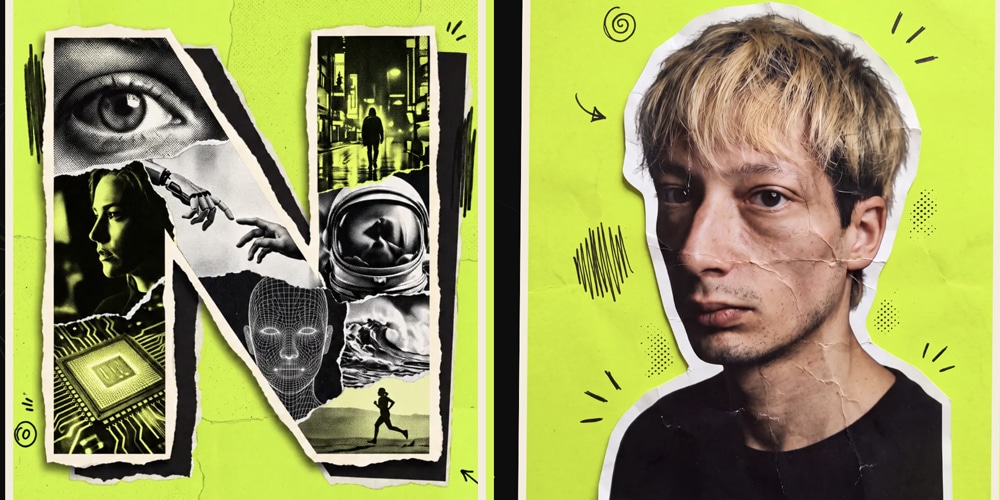
Antonello Ruzzu: A Filmmaker Behind the Technology
The project was created by Antonello Ruzzu, born in Genoa on July 23, 1992. His relationship with cinema began long before artificial intelligence entered the filmmaking conversation.
Ruzzu studied screenwriting, directing, and editing at the Scuola d’Arte Cinematografica di Genova, where one of his short films received the school’s award for Best Screenplay. His professional journey later brought him to Milan, where he gained practical experience in production environments, initially working as a camera assistant on music videos and commercials.
He subsequently worked as a grip and lighting technician on productions involving international brands and streaming platforms. These experiences gave him an understanding of how cinematic images are constructed, from the first creative concept to the technical challenges of bringing it to the screen.
This background is particularly relevant because one of the biggest misconceptions about AI filmmaking is that generating attractive images automatically means creating cinema.
A spectacular visual may capture someone’s attention for a few seconds. A carefully constructed story can remain in an audience’s mind for years. Understanding that distinction is essential.
Learning the Language of Cinema, Not Just the Tools
One of Neural Films’ most interesting features is its educational approach. Through the AI Film Academy, the project combines traditional filmmaking knowledge with practical exploration of artificial intelligence.
The technical side covers subjects such as writing effective prompts, maintaining character consistency, generating visual references, and transforming static images into moving sequences. These are essential skills for anyone attempting to develop a coherent AI-generated film rather than a collection of disconnected clips.
However, the project also explores the foundations of cinematic storytelling: framing, lighting, camera movement, editing, narrative rhythm, and screenwriting.
I find this combination especially valuable. Today, anyone can experiment with AI image and video generators, but understanding why a particular camera angle creates tension or how a few seconds of silence can change the emotional impact of a scene requires something deeper than technical instructions.
Artificial intelligence can generate the material. It is still the filmmaker who must give that material meaning.
A Community Where Creativity Becomes Collaboration
Beyond education, I believe the most promising aspect of Neural Films is the opportunity to connect with people who share a passion for this emerging form of cinema.
Working independently with AI can be incredibly rewarding, but it can also become an isolated experience. Every filmmaker faces similar challenges: maintaining visual continuity, finding the right workflow, controlling production costs, and translating complex ideas into convincing cinematic sequences.
Sharing those experiences can accelerate the learning process considerably. A technique discovered by one artist might solve a problem for another. A conversation about visual storytelling could become the beginning of a new project. A filmmaker looking for a composer, an editor, or a screenwriter could discover someone with exactly the right creative sensibility.
As a musician and filmmaker currently exploring AI-generated storytelling myself, I know how valuable exchanging ideas with other creators can be. Sometimes a different perspective is enough to completely transform a scene or reveal a solution you had not considered.
This is why initiatives like Neural Films deserve attention. The real potential of AI cinema may not lie exclusively in what individuals can accomplish with these technologies, but in what happens when talented people start combining their visions.
From YouTube Tutorials to a Growing Creative Laboratory
Neural Films also shares its experiments and discoveries through its YouTube channel, where the learning process becomes part of the project’s identity.
The philosophy is refreshingly practical: experiment, make mistakes, understand what works, and share the results. Instead of presenting artificial intelligence as some mysterious technology capable of producing perfect results instantly, Neural Films approaches it as a creative laboratory where skills develop through continuous exploration.
This mindset is particularly important in a field where tools and production techniques are constantly evolving. What works today may change tomorrow, but the ability to experiment, adapt, and think cinematically will remain useful.
The project also provides visibility to AI-generated short films, encouraging audiences to discover the different artistic directions emerging from this new medium.
The Future of Cinema Will Still Need Human Imagination
There is considerable debate surrounding artificial intelligence and its impact on the creative industries. Some see it as a threat to traditional filmmaking, while others believe it will democratize access to cinematic production.
I personally believe the most interesting opportunities exist somewhere between these perspectives. AI can give independent artists the freedom to experiment with worlds, characters, and visual concepts that might otherwise remain trapped inside their imagination.
However, it also introduces new artistic, technical, and ethical challenges. The accessibility of these tools does not eliminate the need for originality, discipline, and an understanding of what makes a story compelling.
Projects like Neural Films encourage filmmakers to approach this transformation with curiosity and a willingness to learn from others.
For anyone interested in AI filmmaking, whether an experienced director or someone taking their first steps into visual storytelling, Neural Films is certainly worth exploring.
The camera may be virtual, the actors may be generated, and the worlds may exist only inside a computer. But the desire to tell stories and connect with other human beings remains wonderfully real.
Discover Neural Films
Official Website: Neural Films
AI Film Academy: Explore the Academy
YouTube: Neural Films YouTube Channel
Instagram: @neuralfilms.ai
Explore the Darker Side of Creativity
If cinema, visual storytelling, and mysterious atmospheres inspire your imagination, explore the Edgar Allan Poets store. Our original designs celebrate Gothic literature, Edgar Allan Poe, psychological mysteries, and the timeless fascination with darkness and the unknown.

Frequently Asked Questions
What is Neural Films?
Neural Films is an Italian editorial and educational project founded in the summer of 2024. It explores the creative possibilities of artificial intelligence in cinema, offering tutorials, filmmaking insights, educational resources, and opportunities for creative exchange among filmmakers.
Who is Antonello Ruzzu?
Antonello Ruzzu is an Italian filmmaker and the founder of Neural Films. Born in Genoa in 1992, he studied screenwriting, directing, and editing before gaining professional experience in music videos, advertising, and film production environments.
What is the Neural Films AI Film Academy?
The AI Film Academy is the educational component of Neural Films. It focuses on combining cinematic storytelling principles with artificial intelligence tools, helping aspiring filmmakers understand workflows involving prompt creation, character consistency, image-to-video generation, editing, lighting, and visual composition.
Can beginners learn AI filmmaking through Neural Films?
Neural Films provides educational content relevant to creators exploring AI-assisted filmmaking, including beginners interested in understanding both the technological tools and the artistic principles behind effective cinematic storytelling.
Can Neural Films help filmmakers find collaborators?
Neural Films encourages creative exchange and connections between filmmakers exploring artificial intelligence. Discovering other creators, sharing experiences, and participating in a community with common interests can create opportunities for professional relationships and potential artistic collaborations.
Why is cinematic language important in AI filmmaking?
Artificial intelligence can generate images and video sequences, but cinematic storytelling requires a deeper understanding of framing, camera movement, lighting, editing, pacing, and emotional continuity. These elements transform individual visuals into a coherent and engaging film.
Where can I follow Neural Films?
You can discover Neural Films through its official website, explore tutorials on its YouTube channel, and follow the project on Instagram.