A Brief History of Trad Goth: From Post-Punk Music to Victorian Fashion
Trad Goth, also known as traditional goth or trad goth, has a distinct aesthetic that sets it apart from other gothic subcultures. It emphasizes classic gothic fashion, such as corsets, lace, and velvet, and often incorporates elements of Victorian and Edwardian fashion. It also values individuality, creativity, and a love for all things dark and mysterious.
A Brief History of Trad Goth: From Post-Punk Music to Victorian Fashion

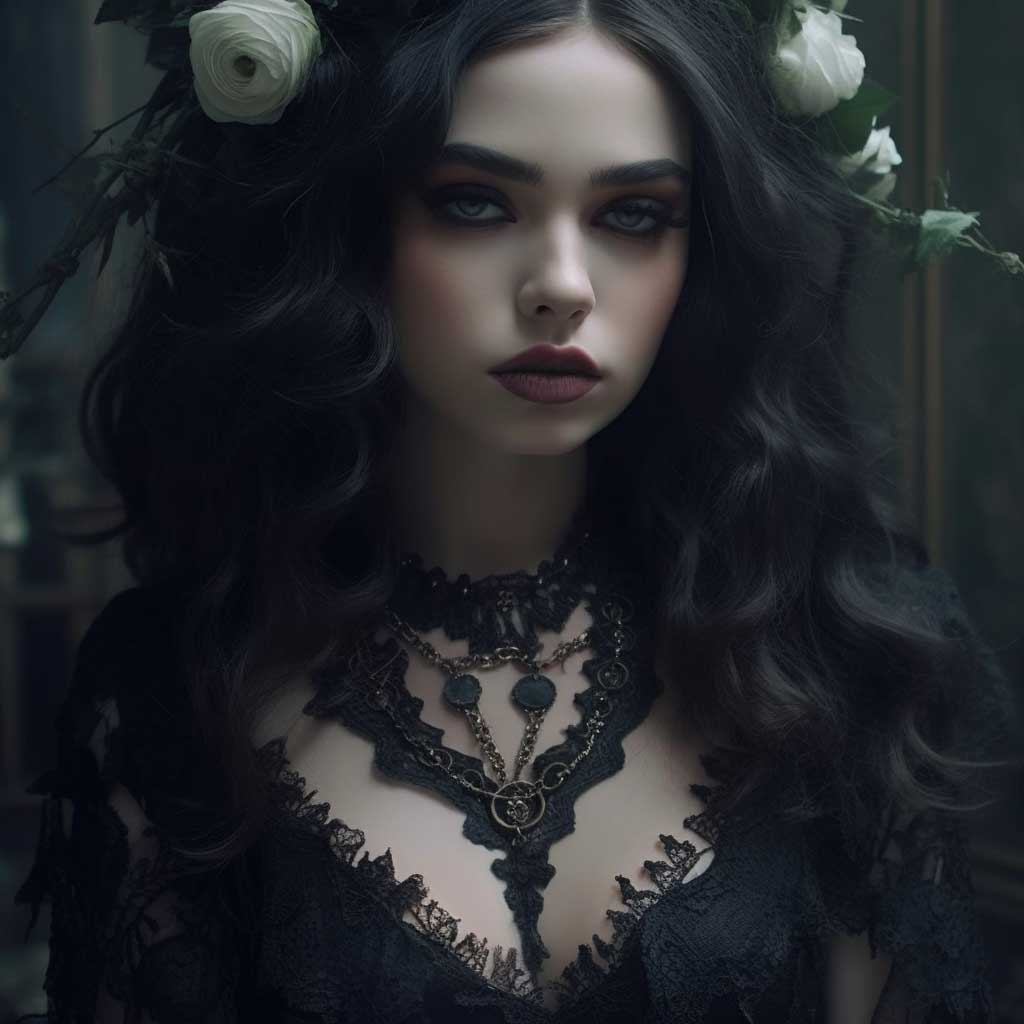
Artwork by Edgar Allan Poets
Curiosities
Curiosities about Trad Goth include its love for old horror films, gothic literature, and art that explores themes of death and decay.
Many Trad Goths are drawn to the romance and melancholy of the gothic genre, and they often express themselves through music, fashion, and art.
Influential people in the Trad Goth movement
In terms of influential people in the Trad Goth movement, it’s impossible not to mention bands like Bauhaus, Siouxsie and the Banshees, and Joy Division.
Artwork by Edgar Allan Poets
These artists helped shape the sound of gothic rock, and their influence is evident in contemporary gothic and post-punk music.
Fashion icons like Vivienne Westwood and Alexander McQueen also had a significant impact on Trad Goth fashion. Their designs, which often incorporate elements of historical fashion and subculture, have been embraced by the Trad Goth community for their rebellious and nonconformist spirit.
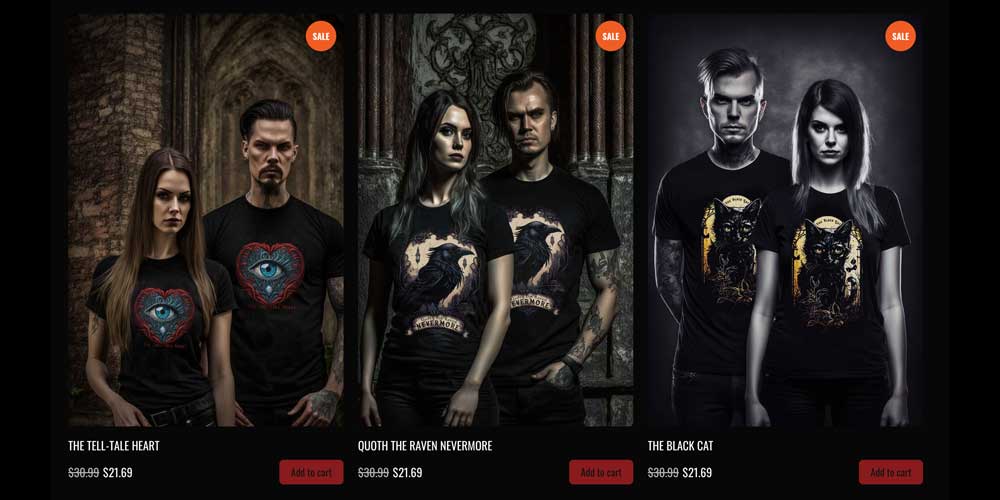
THE BEST COLLECTION OF GOTHIC T-SHIRTS

When it comes to music and movies inspired by Trad Goth, the list is extensive. Trad Goths love Classic horror films like Nosferatu, Dracula, and Frankenstein, and also contemporary horror films like The Crow and The Nightmare Before Christmas.
Musically, acts like The Sisters of Mercy, The Cure, and Fields of the Nephilim have all contributed to the development of Trad Goth music.
A Brief History of Trad Goth: From Post-Punk Music to Victorian Fashion
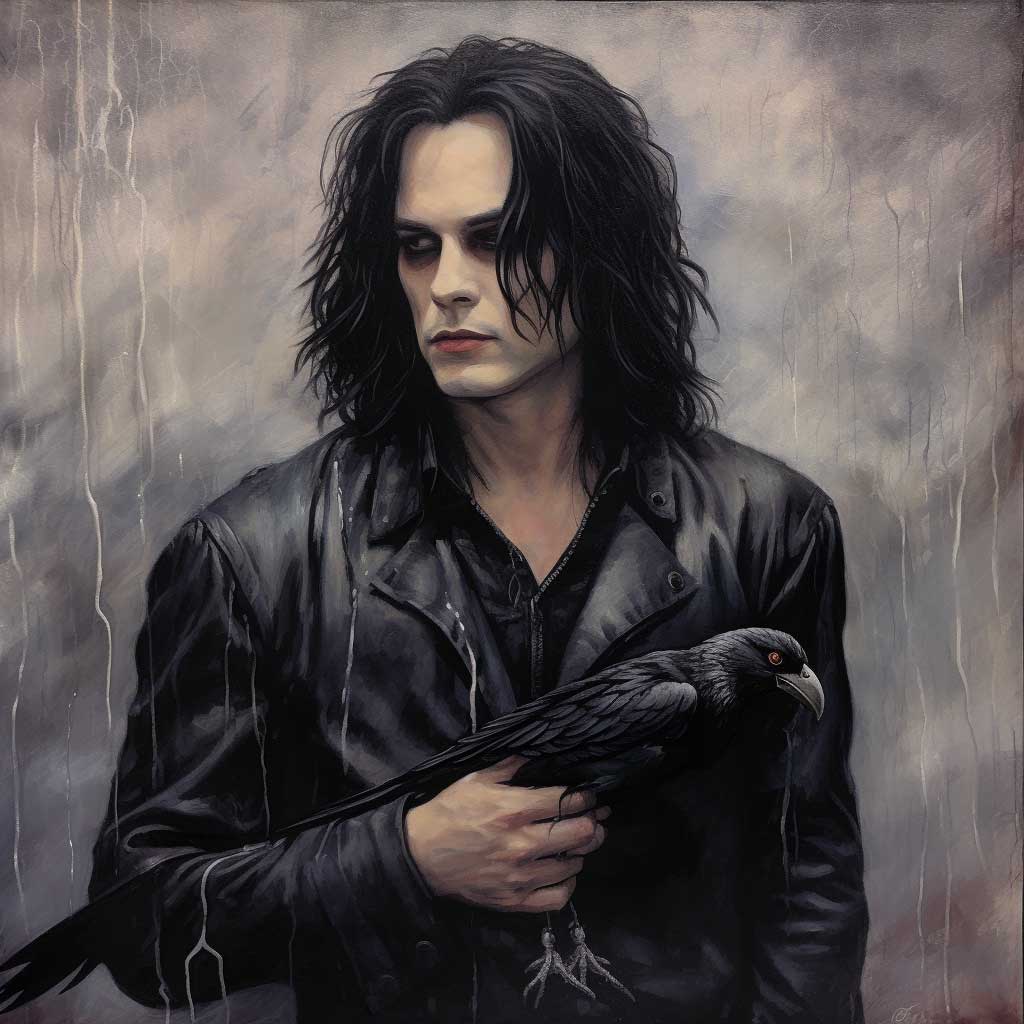
Artwork by Edgar Allan Poets
So, is Trad Gothic becoming popular again?
The answer is yes. In recent years, we’ve seen a renewed interest in vintage fashion and subcultures, and Trad Goth is no exception. The rise of social media platforms like TikTok has allowed for the spread of Trad Goth fashion and music, and many younger people are discovering the subculture for the first time.
While the mainstream media might not be paying attention to Trad Goth, the subculture is thriving in its own way, with a passionate and dedicated community that continues to explore the darkness and romance of the gothic genre.
Do you like Gothic culture? Check out Edgar Allan Poets’ Music
Get Our T-Shirt!

Noir News
Reviews