Victorian Coffin Bells: The Terrifying Fear of Being Buried Alive
Imagine waking up in darkened earth, muffled cries swallowed by soil. In the Victorian era, this haunting fear was all too real, sparking the bizarre invention of safety coffins with bells.
Inventors created Victorian coffin bells to prevent people from being buried alive

During the Victorian era, people feared being buried alive, and they called this fear taphephobia. Medical knowledge lagged behind. Doctors often mistook comas for death. The consequences were terrifying. In this world of uncertainty, horrified families occasionally found themselves interring what they believed to be lifeless bodies, only to hear unsettling tales of survival beneath the grave.
Amidst this chilling backdrop, the notion of safety coffins emerged. Invented in response to public panic, these innovative graves featured bells connected to a string tied to the hands of the deceased. The idea was simple yet spine-chilling: should a person awaken trapped in their coffin, their movements would sound an alarm above ground, alerting passersby to their plight.
Are ghosts real, or are we just afraid to see the truth?
Enter the darkness and read our full ghost investigation.
A Fear That Refused to Die
Victorian inventors transformed their dread of a premature burial into some of history’s strangest inventions.
As a result became eerie landscapes, where guards listened intently for the faint tolling of a bell. Some of these sentinel figures braved the night, their eyes fixed on the silent earth, ever-watchful for signs of life beneath. This bizarre duty revealed the extent to which fear gripped the Victorian society, transforming burial sites into places of both reverence and terror.
As grave bells echoed through the night, the question lingered: what drove this relentless pursuit of peace amidst death? Unreliable medical practices defined the era, and doctors often mistook a faint pulse for the absence of life. The echoes of despair resonated through families, sparking morbid fascination with the possibility of revival.

Why This Still Haunts Us Today
This complex dance between life and death permeated literature and art, influencing notable figures such as Edgar Allan Poe. His relentless exploration of mortality and entrapment reflects society’s anxiety, weaving themes of resurrection and fear within his narratives. The specter of the safety coffin is an ever-present reminder that the boundary between life and death was, and often still is, a fragile line.
People did not create grave bell coffins as mere inventions; they used them as symbols—a desperate reconciliation with mortality. In this era, people feared being buried alive, and they built safety coffins to confront their deepest anxieties. Were these lifelines or remnants of delusion?
The Truth Behind This Dark Practice
Still, the safety coffin was at odds with the somber finality of burial. Many people feared awakening in the darkness, entombed yet alive. For some, it ignited a morbid curiosity, driving them to explore the very depths of existence from beyond a wooden box.
As time wore on and medical practices improved, medical progress reduced the need for such graves. Yet, the stories linger. The haunting bells remind us that our relationship with death can be fraught with both terror and fascination. We continue to grapple with the shadows of our mortality, made darker by the ghosts of a past laden with fear.
If you are fascinated by dark Victorian fears and gothic identity, explore your own shadow with our Edgar Allan Poe name generator.
Some fears were never buried.
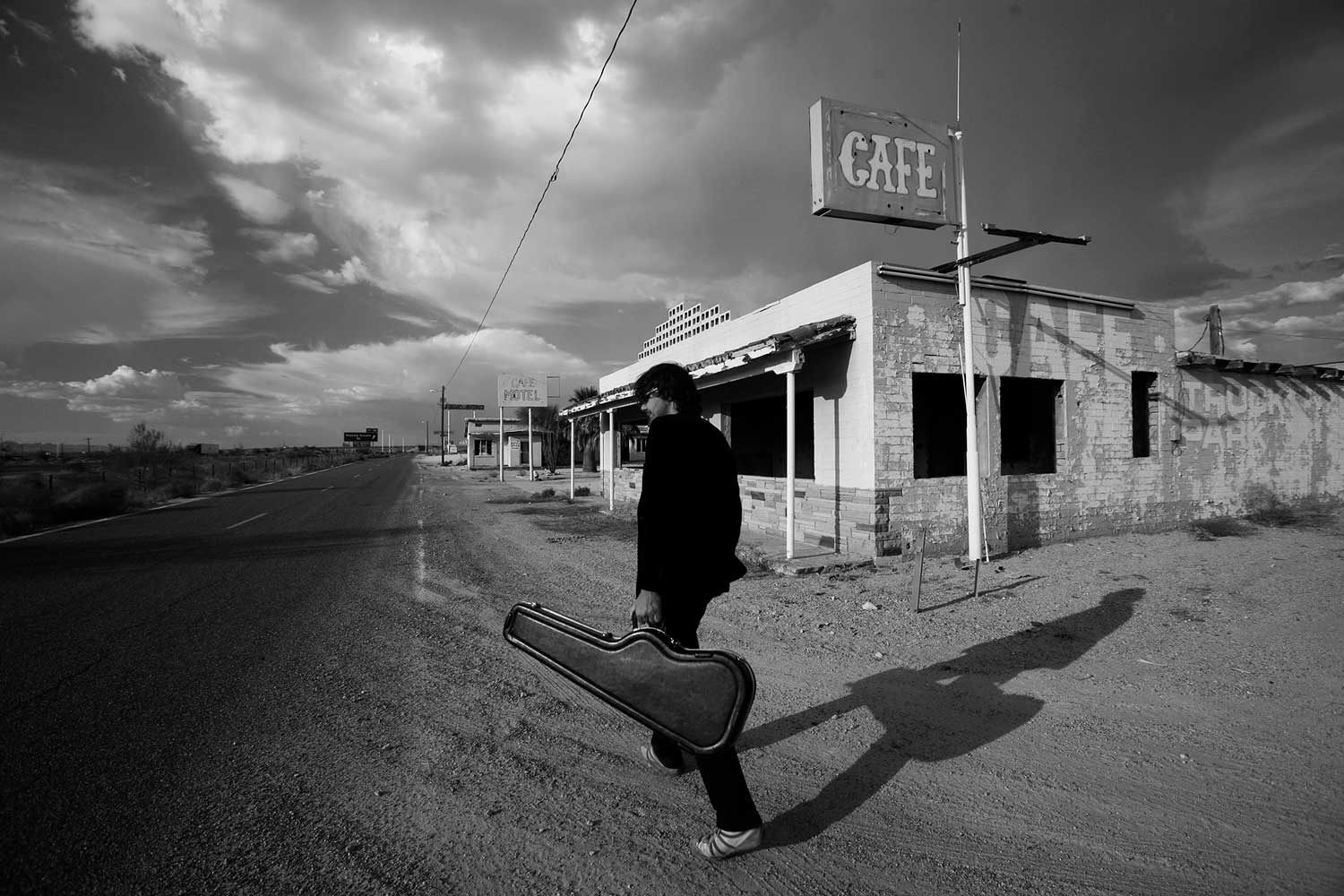
About Edgar Allan Poets
Edgar Allan Poets is a noir rock band built on the literary universe of Edgar Allan Poe. For over a decade the band has explored Poe's psychology, Gothic aesthetics, Victorian darkness, and his influence on modern culture — through music, writing, and this archive. Their album 555 and store collections translate Poe's darkest visions into sound and design. Read more about the band →
Reviews
Get Our T-Shirt!

Noir News


