Melisa Mia – Maiden Mother Crone Review
“Bloody Inconvenience” took me straight back to the ’90s. Something in the groove made me think of the Fugees, and the melody has a folk inflection that takes the song somewhere I didn’t expect. Melisa Mia’s voice caught my ear immediately. There’s a character to the way she shapes a phrase, and you can hear it in how she handles a subject as intimate as the shame and vulnerability of maidenhood. It’s an arresting way to open Maiden Mother Crone.
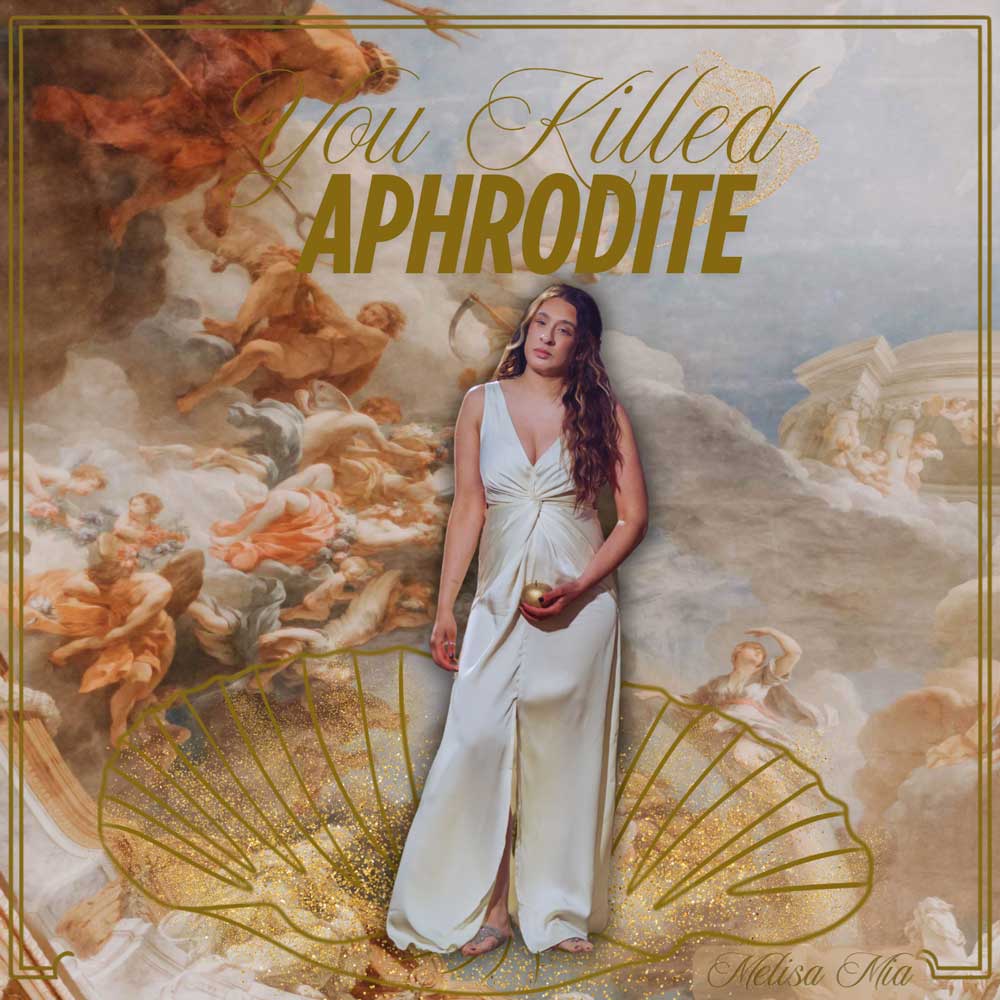
“You Killed Aphrodite” brings out the album’s alternative rock side. The song has real momentum, and Mia’s voice opens up into these ornate flourishes that reminded me of Kate Bush. I hear the resemblance in the baroque turns of the melody, especially when she lets a phrase curl and stretch. “Angry Girl” gives her more room to linger on a line. The way she weighs certain words at that slower pace made me think of Italian singer-songwriter Carmen Consoli, who has a similarly refined way of letting the emotion come through in her phrasing.
The dreamlike pull of “Mother Moon” and “Medusa”
I think “Mother Moon” holds the secret of this album. There’s a question at the heart of the song that stayed with me. How much of the pain we carry began with someone who came before us? The chord progression gives that question a dreamlike quality. I love how the harmony keeps shifting under the vocal, giving a song about generational trauma room to wonder about what we inherit and what we can break away from.
“Medusa” was the track I wanted to hear again as soon as it ended. It feels suspended in a mirage, with sounds that seem to come into focus and slip away before you can place them. The arrangement has the same care I hear throughout the record. Mia has a good ear for which sounds to bring close and which to leave at a distance. I also liked her choice of Medusa to reclaim the crone figure. A woman so often remembered for what happens when others look at her becomes the source of the song’s power.
“Power in the Love” and the Stories We Inherit
“Power in the Love” closes the album with a guitar figure that has an almost medieval lilt. The piano and voice come in, and I found myself listening as closely to the words as to the melody. That’s what stayed with me about Maiden Mother Crone. Mia can take you from a groove that feels familiar to a song that seems to hover outside of time, and the way she sings keeps you close through all of it.
What stayed with me about Maiden Mother Crone is how personal Melisa Mia makes these old archetypes feel. The vulnerability of “Bloody Inconvenience,” the inherited pain of “Mother Moon,” and the quiet power of “Medusa” all feel like different ways of asking who gets to tell a woman’s story. By the time the piano comes in on “Power in the Love,” I was already thinking about how differently I might hear the opening track the second time around.
Ethereal

About Edgar Allan Poets
Edgar Allan Poets is a noir rock band built on the literary universe of Edgar Allan Poe. For over a decade the band has explored Poe's psychology, Gothic aesthetics, Victorian darkness, and his influence on modern culture — through music, writing, and this archive. Their album 555 and store collections translate Poe's darkest visions into sound and design. Read more about the band →
Reviews
Get Our T-Shirt!

Noir News


