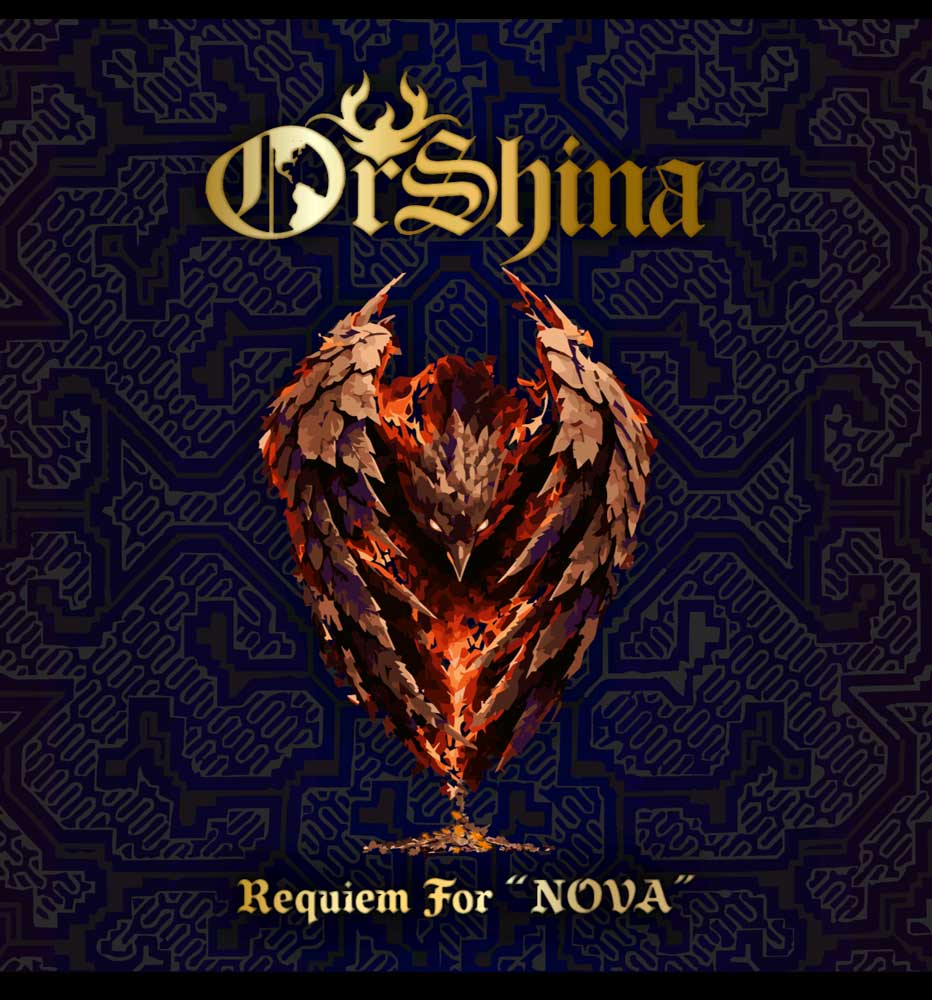
Orshina Requiem for “NOVA” Review
The album begins with “Graveyard Blues,” creating a unique journey right from its atmospheric opening. This track employs slide guitar and a modern keyboard motif that transports listeners to a parallel dimension. The atmosphere feels open and slightly hypnotic. It is an instrumental piece with avant-garde elements, purposefully designed to introduce the album. The sonic textures invite a meditative state through the use of arpeggiators and slide guitars.
Following this is “Bread & Circus,” another atmospheric piece where the vibes shift towards a darker, more mysterious tone. Here, the music hints at dystopian themes, creating an engaging experience for the audience. The contrast between the previous track and this one sets the stage for a deeper exploration of emotions and ideas.
“Hell In Paradise” opens with pads that evoke the sensation of wind sweeping across deserts. The airy quality resonates throughout the piece, drawing listeners into its ethereal embrace. Occasionally, a subtle female vocal emerges, delivering elongated notes that enchant and hypnotize, reminiscent of the sirens luring Ulysses. This adds a layer of depth and intrigue to the overall atmosphere.
Requiem for “NOVA” – Sound and Atmosphere
The atmospheric journey progresses with “Rest In Music.” This track injects a sense of instability and tension. The music fluctuates, pulling the listener through a series of controlled highs and lows. This contrast keeps the audience engaged and creates an overarching emotional complexity within the album.
Next comes “Dressed Up for the Devil.” This track stands out as a visionary and intense piece. The artist strives to provide not just a musical journey but also an opportunity for reflection. The layering of sounds creates an immersive experience that allows the listener to ponder personal and collective themes.
The album concludes with “Holocausts and Slavery.” This final track serves as a powerful reminder of the past. Through its music, the artist aims to instigate introspection and open consciences. The gravity of the themes explored is profound, showcasing the artist’s dedication to causing listeners to reflect deeply on significant historical events.
Requiem for “NOVA” – Performance and Production
Throughout “Requiem for ‘NOVA’,” Orshina features contributions from notable musicians. Violinist Maianne Tur adds depth, while drummer Roey Brosh establishes rhythmic momentum. The voices of Idit Eshel and Shiran Tzfira enhance the emotional landscape, enriching the overall experience. Together, they bolster the intricate layers of Orshina’s already imaginative approach to composition.
What emerges from this album is a visionary and unique artistic statement. The blend of atmospheric elements and thought-provoking themes ensures that “Requiem for ‘NOVA'” is not just music but an experience. It invites listeners to engage with the material on multiple levels. Each track complements the next, creating a cohesive narrative that transcends mere auditory enjoyment.
This artist’s goal goes beyond entertainment; Orshina seeks to encourage listeners to reflect on their own experiences and the broader human condition. The profound themes embedded in the music speak to universal truths. This kind of introspective artistry is increasingly rare in today’s musical landscape.
“Requiem for ‘NOVA'” is a remarkable work that showcases Orshina’s artistic vision. It challenges listeners and invites them to explore complex emotions. The delicate balance between atmosphere and substance makes this album worthy of attention.
Intense
About Edgar Allan Poets
Edgar Allan Poets is a noir rock band built on the literary universe of Edgar Allan Poe. For over a decade the band has explored Poe's psychology, Gothic aesthetics, Victorian darkness, and his influence on modern culture — through music, writing, and this archive. Their album 555 and store collections translate Poe's darkest visions into sound and design. Read more about the band →
Reviews
Get Our T-Shirt!

Noir News


